Logo
Your Go To Landscaping Company
  • Home
  • About Us
  • Services
    • Grounds Management Contracts and Quotes
    • Seasonal Décor
    • Commercial Property Management
    • Commercial Snow and Ice Management
  • Contact Us
  • Privacy Policy
  • Blog
variegated-reed-sweet-grass
21 May 2023 editor
Uncategorized
0

Sweet Grass in the Garden Landscape

Sweet Grass is a Sacred Plant that has been used by Indigenous Peoples for Thousands of Years.

It is known for its sweet, vanilla-like fragrance and its ability to promote a sense of peace and harmony.

What Is Sweet Grass?

Sweet grass, or Hierochloe odorata, is a tall, fine-bladed grass that grows in moist meadows and along streams in North America and Eurasia. It is also sometimes called vanilla grass or holy grass, and it is a member of the same family as wheat and barley.

Sweet grass has been used by Native American tribes for centuries, and it is regarded as a sacred plant with powerful spiritual properties. It is considered one of the four sacred plants, along with sage, cedar, and tobacco.

What Is Sweet Grass Used For?

Sweet grass is often used in smudging ceremonies, which are traditional practices of many indigenous cultures. During a smudging ceremony, sweet grass is burned as part of a ritual to purify and bless a space or an individual.

Sweet grass has also been used for a variety of medicinal purposes throughout history. It was believed to have healing properties for a variety of ailments, including headaches, menstrual cramps, and fever. It was also used to treat depression and other emotional issues.

Today, sweet grass is often used as a natural remedy for anxiety and stress. The plant’s sweet fragrance is believed to have a calming effect on the mind and body, making it a popular choice for aromatherapy and other relaxation practices.
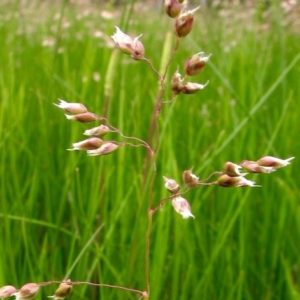
sweet grass

Where Can I Buy Sweet Grass?

If you’re looking to buy sweet grass, you may be able to find it at a local health food store or spiritual supply shop. However, it’s important to make sure you’re buying high-quality sweet grass that has been ethically sourced.

When purchasing sweet grass, look for a supplier that has a close relationship with the indigenous communities that harvest and weave the grass. This helps ensure that the plant is being harvested responsibly and that the communities involved are benefiting from the trade.

You can also find sweet grass online from reputable suppliers. Before making a purchase, be sure to read reviews and get recommendations to ensure you’re getting a quality product.

What Is Sweet Grass Good For?

In addition to its use in sacred ceremonies and as a natural remedy for stress and anxiety, sweet grass has a number of other potential benefits. For example, it may have antimicrobial properties, making it useful for disinfecting surfaces and treating minor cuts and bruises.

Sweet grass may also have insect repellent properties, making it a useful addition to natural bug spray or other insect-repelling products.

Additionally, sweet grass has a number of potential uses in cooking and crafting. It is sometimes used to flavor ice cream and other desserts, and it can be woven into baskets and other decorative items.

Final Thoughts

Sweet grass is a powerful plant with a rich cultural history and a number of potential benefits. Whether you’re using it in a sacred ceremony, as a natural remedy, or for cooking or crafting, it’s important to approach sweet grass with respect and understanding for its cultural significance. By doing so, you can take full advantage of the many benefits this remarkable plant has to offer.

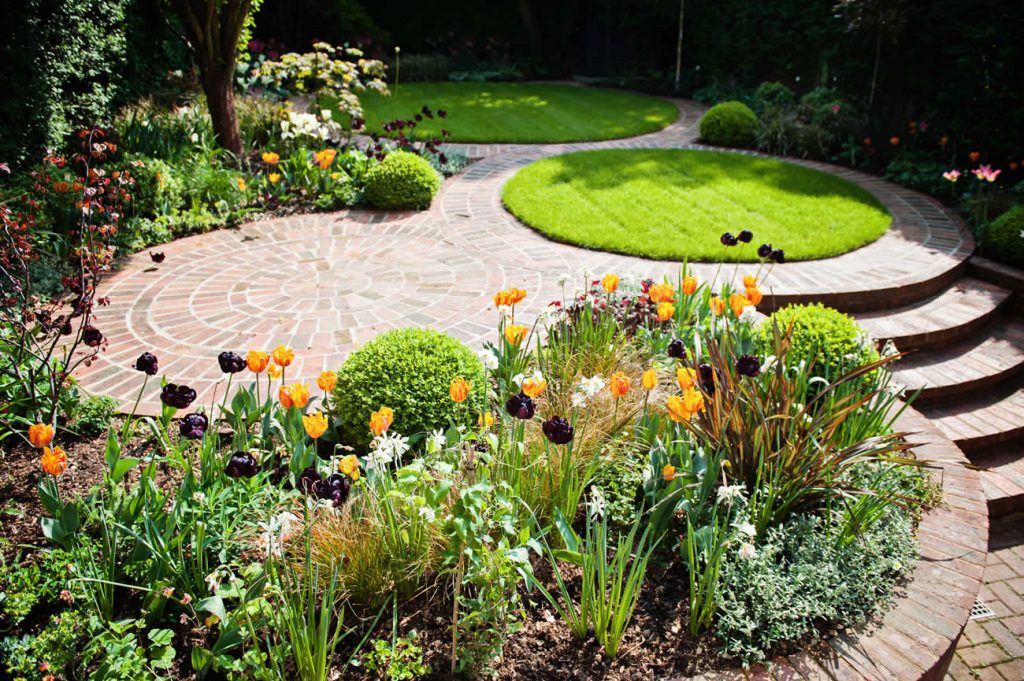
How To Grow Plants With Structure
1 Jun 2021 Karen Patterson
Gardening Structural Plants
0

How‌ ‌To‌ ‌Grow‌ ‌Plants‌ ‌With‌ ‌Structure?‌

If we were to discuss plants with structure, we could say they have the same purpose as a fireplace, a beautiful painting, or a window in your home. Architectural plants are focal points of your yard, and they are often snowy and big.

However, when they are small, they can be dramatic, stylish, and bold. Architectural plants can go a long way towards improving design flaws your garden may have. That’s why we have prepared a couple of tips that can help you boost your garden architecture and choose the right plants.

How to work with structural plants?

If you have a relatively large budget, start with large plants. Even though they are more expensive, mature plants offer instant style and form. Also, you should consider the plant’s eventual size and ensure it has enough space to grow; otherwise, you may have to remove it sometime in the future.

Keep in mind the size of your garden and avoid overcrowding if you are dealing with small spaces or choose structural plants for small gardens. Also, include some supporting plants that point out the primary structural plants, but keep the supporting plants to a minimum. If there are too many of them, they might distract the viewer’s attention.

Last but not least, consider why you need architectural plants. Select plants based on your climate, and ensure they have proper growing conditions, like enough water, soil, sunlight, and fertilizer.

Structural Plants
Structural Plants

Quick planting tips

As we already mentioned, the size of the plant is an essential factor to consider. Some of these architectural trees and plants tend to grow quite big. So, make sure to plan enough space when they mature. The majority of these plants look great when they are planted with some distance between them.

Now comes sun exposure and soil requirements. For example, just because some plants may look great in your herb bed, it doesn’t mean they can handle the full day of sunlight. Don’t forget the primary plant care.

You also need to decide whether your architectural plant will be the star of your bed or yard. The more attention the plant draws, the more dramatic effect you create. In that case, keep the supporting plants at a minimum. On the other hand, if you want to create a more casual look but with a focal pop, add more texture and colors to your bed.

After some time, many people forget about trimming. However, you want your plants to look nice; they need proper trimming from time to time.

The most common structural plants to grow

There are so many plants that can offer a strong structural presence to your garden, from topicals and sedums to cactuses and palms. Of course, if you live in a zone that can support them, we strongly suggest looking into those types.

However, don’t skip perennials because they have a broader range and can withstand different climates. You aren’t limited like with the first category.

Now, let’s check some popular structural plants!

Yucca

This structural plant is great for any time of the year, and when in full bloom, they give a spectacular show. You will notice six feet high beautiful stalks of flowers that will last for weeks in June, offering your garden something special. Leaves can be variegated, red, or green, and all Yucca wants is plenty of sun and well-drained soil. However, they are drought resistant as well.

New Zealand Flax

Another beloved plant among gardeners, New Zealand Flax, is actually related to grass; it is perennial and prefers a milder climate. Orange and red leaves can grow up to 10 feet, but they are much smaller in areas with a colder climate. New Zealand Flax can be a stunning container plant in places where temperatures aren’t high.

Rodgersia

This is a large and tropical-looking plant that can reach 3-6 feet height and weight. Rodgersia loves to be in the shade and demands moisture and protection from the afternoon sun and wind. This plant can make a dramatic statement in any yard.

Giant Elephant Ear

Giant Elephant Ear is another large plant with tropical-looking leaves, while the plant structure can go to eight feet. This plant can be an excellent addition to any garden. It loves shade, water, and fertilizers.

Patio Landscaping
23 May 2021 Karen Patterson
Gardening Patio Landscaping
0

Patio Landscaping – Ideas For Gardening Around Patios

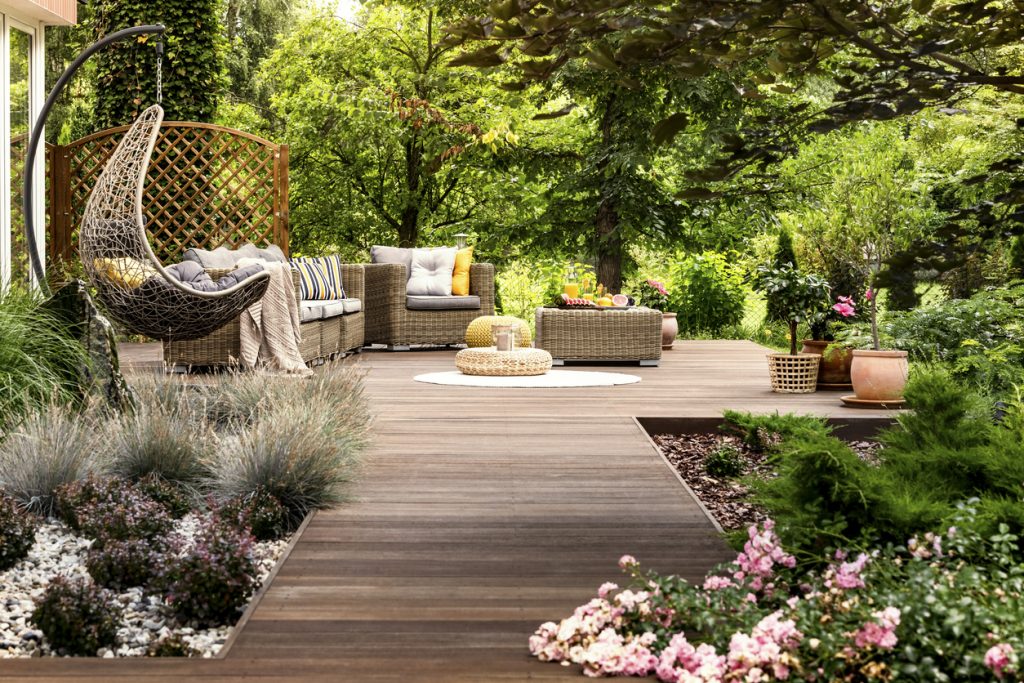
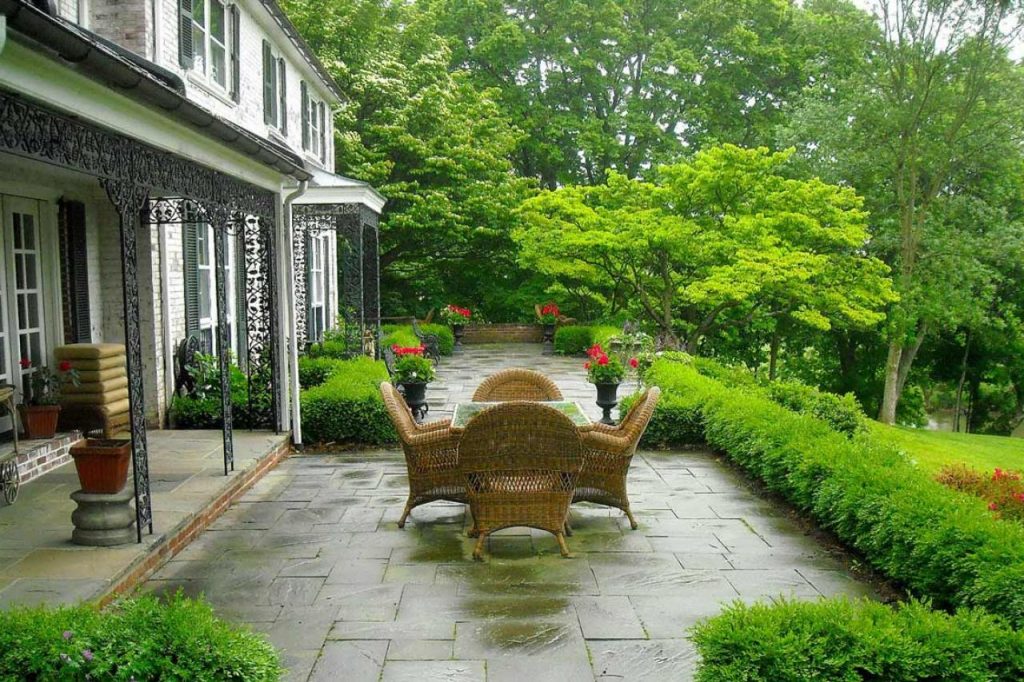
Do you need an excuse to grow some beautiful plants and flowers? Or maybe you want a bit of privacy when you are outside relaxing on your patio? Patio landscaping can have a dual purpose, which means your outdoor space can be beautiful and relaxing.

However, patio landscaping can also be quite challenging if you don’t know what you are doing. A couple of carefully selected plants can make a significant difference.

Now, let’s check out a few ideas that will help you make your patio more beautiful.

Great ideas for patio garden

Patio Garden
Patio Garden

Invest in natural beauty

You don’t have to make a tropical island out of your patio. Instead, focus on simpler and smaller things. For instance, you can surround your outdoor space with small beds filled with flowers and shrubs. Then sit back and relax and enjoy this simple beauty. You can opt for planters and raised beds as well.

Go for greens

Did you know that an evergreen screen will not only provide you with privacy but ensure you have a green and lovely patio all year round? For this occasion, you can plant cedar, arborvitae, or Chinese juniper. Japanese garden juniper is another low-growing, beautiful shrub.

Shady landscaping around patio

If you want to accomplish a peaceful and cool atmosphere in your patio, make sure to fill beds with foliage plants. A lot of them include ferns and hosta and are ideal for those shady spots.

Motion and color

Ornamental grass is one of the best plants you could have on your patio. It offers you a feeling of privacy and a diverse range of colors all year round. You could also add purple fountain grass, autumn moor grass, blue oat grass, maiden grass, sheep grass, and ribbon grass to this mix.

Tropical garden

Now we come to a bit of a complicated part. First of all, if you want to have a tropical garden, you need to live in a warm climate because plants you intend to grow love high temperatures. In this case, look for plants that are bold in colors like coral, orange, yellow, red, or deep green. Some of the popular plants include celosia, New Zealand flax, a bird of paradise, sweet potato vine, elephant ear.

Herbs

If you love cooking, there is nothing better than growing culinary herbs on your patio. They are attractive, easy to grow, and don’t require a lot of care, but they do demand plenty of sunlight.

Choose the right tree

Big plants can cause big problems, and trees are the biggest landscape plants, so you need to consider a couple of things when planting trees.

For example, if you want to plant a shade tree in your patio, go for three at intermediate heights when reaching maturity. Also, don’t plant trees that have an aggressive root system and pick trees that are relatively easy to clean to minimize maintenance.

Japanese maples are trees of intermediate height and can be a good solution for your patio. Also, keep in mind that some plants are better or worse than others for growing near patios and septic tanks because of their root system.

Also, there is an issue whether these trees are messy and would you have to clean a lot. For instance, Eastern white pine is the messiest tree out there, and you will get pine pitch all over everything. On the other hand, we have Sunburst honey locust, which is relatively messy-free.

How to plant near patios

How to plant near patios?

When you are landscaping around deck and patio, there are a couple of things you need to consider:

Don’t plant thorny plants, especially if you have children and pets. Many people decide to plant agaves, but they don’t consider sharp tips that are like knives. You should remove spiny cacti from patios as well.

On the other hand, you should plant a jasmine tree and enjoy this fragrant plant near your patio. Its sweet aroma will make you open your windows on warm summer days.

Make sure to focus on plant size and avoid large plants that require a lot of maintenance. Also, solar lights are a fun way to add interest to your patio.

Reasons For Gardening Along Driveways
5 May 2021 Karen Patterson
Gardening
0

Reasons For Gardening Along Driveways

Many people think that gardening only applies to the front yard and backyard garden, but you couldn’t be more wrong. There are so many forms of gardening and ways you can shape your outdoor space.

In fact, many homeowners are nowadays focused on driveway gardening. But what does this mean? And would you plant a driveway garden? Read on to discover more about this phenomenon and maybe get some ideas for your yard as well!

What is a driveway garden?

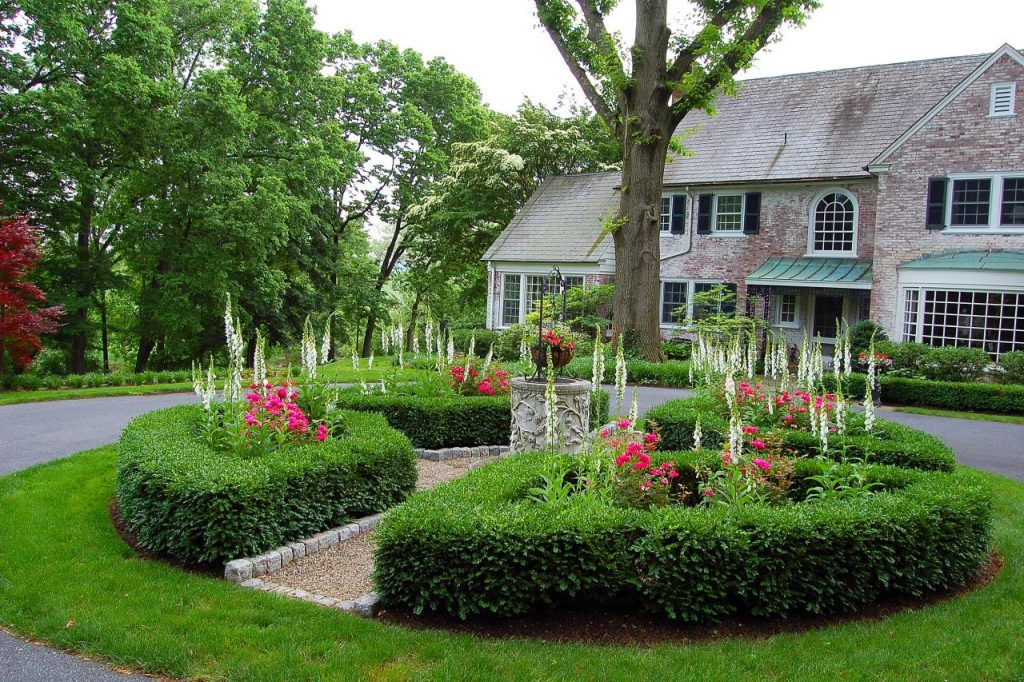
Let’s start from the basics and explain what a driveway garden is. This couldn’t be simpler and means growing plans on areas you previously used as a parking lot or a driveway. These types of gardens can assume a couple of forms. For instance, your driveway garden could be a patio area set up in an unused garden. Also, gardens along driveways or those that run down the center of the garden qualify for this position.

Gardening Along Driveways

Why do you need plants along the driveway?

These types of gardens bring natural beauty to your yard or a driveway that was previously made of cement. This is something different and unique which will complement the entire outdoor space. For example, rejuvenation is enough reason to consider driveway planting. So, instead of having a dull and empty space, you can have a driveway suddenly filled with life.

Now is the perfect opportunity to remove cement driveway and replace it with innovative and vibrant plants and flowers. In most cases, homeowners decide to plant low-growing plants so it doesn’t affect their car ride.

Parking garden

A parking garden is another way to transform your outdoor space. If you don’t use the backside of your parking area or driveway, you can convert this area into a family get-together or garden space. Use a row of the planter to block this area, and then use shrubs, ferns, bamboo, and a table with chairs to boost your parking garden.

How to landscape around the driveway?

Driveway landscape is different from any other form of landscaping and for a couple of reasons. Therefore, as long as you keep that in mind, you should be fine.

One of the first things is to consider visibility. Tall plants are good for any type of yard except driveway, especially if it meets the road. So, when planning, make sure to pay attention to the mature plant’s height. What seems tame and small can grow into a monster later.

While you are on the subject of choosing plants, you may want to stick to those that grow low; however, that’s not the best as well. Generally, those types of plants tend to spread quickly and not in the direction you want them to go. Basically, you are signing yourself up for years of chopping and trimming back from the asphalt. Instead, pick plants that stay where you put them or spread very slowly.

The last consideration is water. If you live in an area susceptible to rain, it will mean a lot of water down your driveway. That’s why it’s essential to select plants that handle a lot of water and have a resilient root system that won’t be washed away.

The most common driveway plants

Now that you are equipped with all the necessary information, you can move on to choosing plants for your driveway. Choose plants that are suitable for your climate zone. Here are some good suggestions:

  • Low-growing annuals: marigolds, geraniums, zinnia, and dahlias
  • Flowering herbs: lavender, rosemary, and sage
  • Ornamental grasses
  • Lavender cotton and Korean boxwood
Tips For Growing Plants Near Roads
24 Apr 2021 Karen Patterson
Gardening
0

Tips For Growing Plants Near Roads

This might be a somewhat strange concept, but landscaping alongside roads is ideal for connecting concrete roadways to nature and improving their environmental properties. Plants near the road absorb runoff water and minimize soil erosion, control flooding, and ensure cleaner water supplies.

During the winter, plants alongside roads can act as snow fences preventing snow from drifting into traffic. With increasing awareness about public and environmental health, the idea of growing plants near roads has become widely accepted.

Therefore, if you want to implement successful roadside landscaping, we have a couple of planting tips you might find helpful.

Landscaping Along Roads

The landscaping along roads

As you travel across the highways, you can see a lot of plants worthy of admiration. Roadside flowers are primarily planted for environmental effect but also to improve the appearance of the roads. On the other hand, you may encounter many native plants that are not chosen for their appearance but for ease of maintenance, hardiness, and adaptability.

Additionally, perennial plants have a better chance of surviving near roads than they would near roadways, and they can be natural habitats for insects and animals.

How to grow plants near roads?

If you want to create a mailbox garden, or perhaps you want to add curb appeal near the roadside portion of your landscape, you need to consider a couple of conditions before growing parts near the road.

When you start this process, keep in mind that the site near the road will be generally unfriendly. The soil was disturbed during the construction, and it might not be hospitable for your plants. The wind is also one of the reasons why there is a lack of vegetation.

On top of that, plants are exposed to gas emissions and salty spray during winter. Soil near the roads might not be irrigated, so you must choose plants resistant to drought.

More often than not, you will find grass, shrubs, and trees along the roads because they are easy to maintain and don’t require a lot of money. For instance, it’s enough just to plant a tree and let it grow for years to come.

However, when the roadside includes your portion of the landscape, you might want to address topsoil. Keep in mind that it needs to be loosened and restored. If you aren’t particularly interested in this project, you might hire a landscape designer who isn’t only familiar with particular roadside plants and knows what condition affects different species.

Before you engage in this project, decide on the type of planting. Will it have irrigation? Does it require maintenance? How much money do you plan to spend? How are you going to control the weed? Will you implement fertilization? How will you solve drainage?

As you can see, there are many things to consider when it comes to garden roads and creating a roadside landscape. If you aren’t sure what to do, you can always ask the assistance of a landscape professional.

Common roadside plants

Dandelions
Dandelions

Dandelions

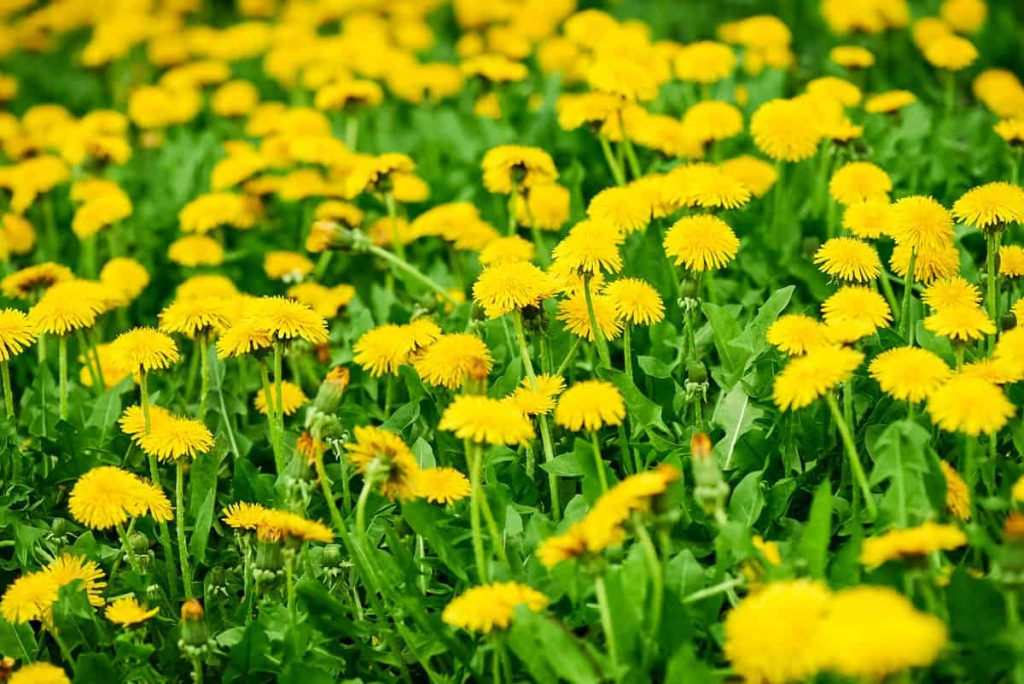
Start with easy ones! Even the majority of children know how to spot dandelions. These flowers are more than just a weed in your yard. They are actually quite healthy and edible, especially leaves and blooms.

Dame’s rocket

This is a widespread plant, but not many people know its name. Its blossoms are white and pink, and it grows in thick patches along the roads.

Queen Anne’s lace

This is a classy flower with an elegant name. Queen Anne’s lace grows tall, usually over knees height. The leaves are fatherly and resemble carrot tops.

Website Search

How To Have The Best Lawn Possible Through Winter

Recent Posts

  • variegated-reed-sweet-grassSweet Grass in the Garden Landscape
  • How To Grow Plants With StructureHow‌ ‌To‌ ‌Grow‌ ‌Plants‌ ‌With‌ ‌Structure?‌
  • Patio LandscapingPatio Landscaping – Ideas For Gardening Around Patios
  • Reasons For Gardening Along DrivewaysReasons For Gardening Along Driveways
  • Tips For Growing Plants Near RoadsTips For Growing Plants Near Roads

10 Tips To Having A Perfect Lawn

Categories

  • Gardening
  • Uncategorized
  • Grounds Management Contracts and Quotes
  • Seasonal Décor
  • Commercial Property Management
  • Commercial Snow and Ice Management

Logo
© Garden Creations 2026